We Need to Redefine Professionalism
Bryan Runion ·
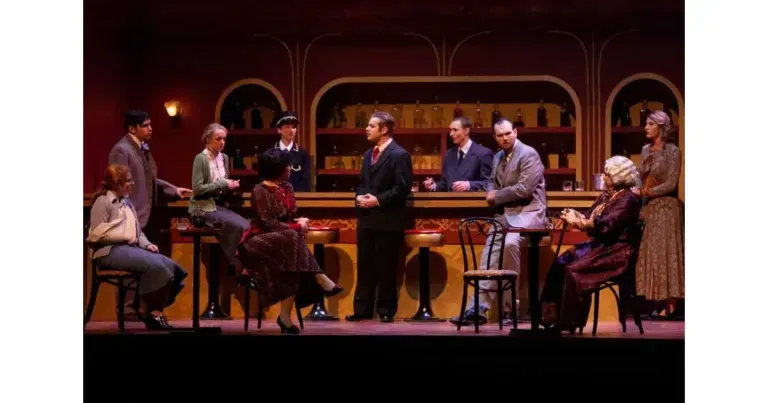
What if professionalism isn’t about being polished—but about being present? This piece explores how the old rules silence creativity and how backstage leadership could look radically more human.
Because staying in your lane might be the thing keeping us from going anywhere meaningful.
“Stay in Your Lane” Is a Red Flag, Not a Reminder
There’s a quiet phrase that has started surfacing more often in our industry: stay in your lane. Rarely spoken outright, it lingers in tone, in posture, in feedback that sounds more like a warning than support. On the surface, it suggests order. In practice, it encourages silence. But what if we redefine professionalism?
What’s often labeled as “being professional” has less to do with doing the job well and more to do with not making anyone uncomfortable. That’s not structure. That’s performance.
“Professional” becomes a code word for palatable. It implies being calm, agreeable, and easy to manage. But when everyone is busy shrinking themselves, creativity fades, and real collaboration becomes harder to reach.
Challengers are branded as “difficult.” Even when they’re offering necessary insight. Even when they’re right. We’ve started rewarding people for staying quiet rather than speaking clearly.
Disconnection is disguised as order. When people feel they have to mute their personality to be taken seriously, what we get isn’t their best—it’s their most acceptable version.
If we want creative, agile teams, we need to stop asking people to stay in their lane and start questioning who built the road in the first place.
Who Gets to Be “Professional” Anyway?
The rules of professionalism didn’t come from the world we work in. They came from corporate hierarchies, boardrooms, and outdated ideals that reward assimilation. When we talk about who fits into those rules, the answer too often centers around who’s already comfortable in them.
The word “professional” is subjective. Worse, it’s biased. Research backs this up—professionalism often hides bias, centering white and Western norms over actual competence.
Related Read: The Bias of ‘Professionalism’ Standards” by Aysa Gray in the Stanford Social Innovation Review.
Professionalism favors the dominant culture. Those who speak with the expected cadence, dress a certain way, and behave predictably are often assumed to be more capable, even when their work says otherwise.
It punishes emotional range. Emotions are labeled unprofessional more often when expressed by women, people of color, and LGBTQ+ team members. The same fire celebrated in some is policed in others.
“Fit” becomes a gatekeeping tool. Teams start choosing based on who feels familiar, not who brings a fresh perspective. That’s not cohesion. That’s creative stagnation.
If professionalism requires some of us to pretend while others get to show up as they are, then maybe the problem isn’t the people—it’s the definition.
Rough Edges, Real Leadership
There’s a misconception that great leadership needs polish. The person who commands the room must do so with poise, perfect tone, and a cleaned-up persona. But the best leaders I’ve worked with weren’t always neat. They were honest, direct, and deeply committed.
Leadership isn’t a look. It’s a presence.
Great leaders don’t hide their edges. They show up as themselves—sometimes passionate, sometimes frustrated, always real. That kind of clarity creates room for others to do the same.
Authenticity builds trust. Teams don’t need perfection. They need consistency, fairness, and someone who isn’t afraid to speak plainly when it matters.
Surface doesn’t equal strength. Wearing jeans doesn’t mean you’re unprepared. Swearing doesn’t make you careless. The work is what speaks.
We don't need more polished masks. We need leadership that can stand in truth and still keep the train on the tracks.
Redefining Professionalism: A Working Manifesto
If the old version of professionalism is about fitting in, then maybe the new version should be about standing up. Showing up. Taking care with your words, yes—but also with your people. Making things work, not just making them smooth.
Here’s a version of professionalism that might actually support the work we do.
Presence over performance. Pay attention. Know your room. Be here for the team, not the applause.
Clarity with care. Say what you mean. Set boundaries without shutting people out. Accountability isn’t about being harsh. It’s about being honest and human.
Consistency over control. What makes a leader reliable isn’t their restraint. It’s their ability to stay rooted in values, especially when the pressure is high.
Let’s redefine professionalism not by how well someone disappears into the background, but by how effectively they support the work and the people doing it.
Let’s Build Rooms Where We Don’t Have to Disappear to Belong
Imagine a space where showing up fully—emotionally, culturally, creatively—wasn’t something to hide or apologize for. Where the standard wasn’t to blend in but to contribute, to expand the conversation, to challenge respectfully, and lead courageously.
That’s not idealism. That’s what happens when we build teams based on trust and shared purpose, not image.
Psychological safety drives real results. When people can bring their full selves to the table, they collaborate more openly and recover more quickly when things go sideways.
Belonging isn’t a bonus. It’s the foundation of good work. When people feel like they don’t have to mask, they give more, learn more, and stay longer.
Culture starts with one person choosing differently. One leader showing up with presence, not polish. One person speaking clearly instead of cautiously. That’s all it takes to shift a room.
Let’s stop asking people to earn their seat by erasing themselves. Let’s lead from a place that makes space for truth, nuance, and the kind of professionalism that’s measured not by appearance, but by impact.
📌 Want to lead without losing yourself in the process? Join the Half-Hour Newsletter for insights on authentic leadership, rethinking professionalism, and building creative spaces where people can show up fully.