Building Sandcastles in a Tsunami: The Exhaustion of ‘Good Enough’
Bryan Runion ·
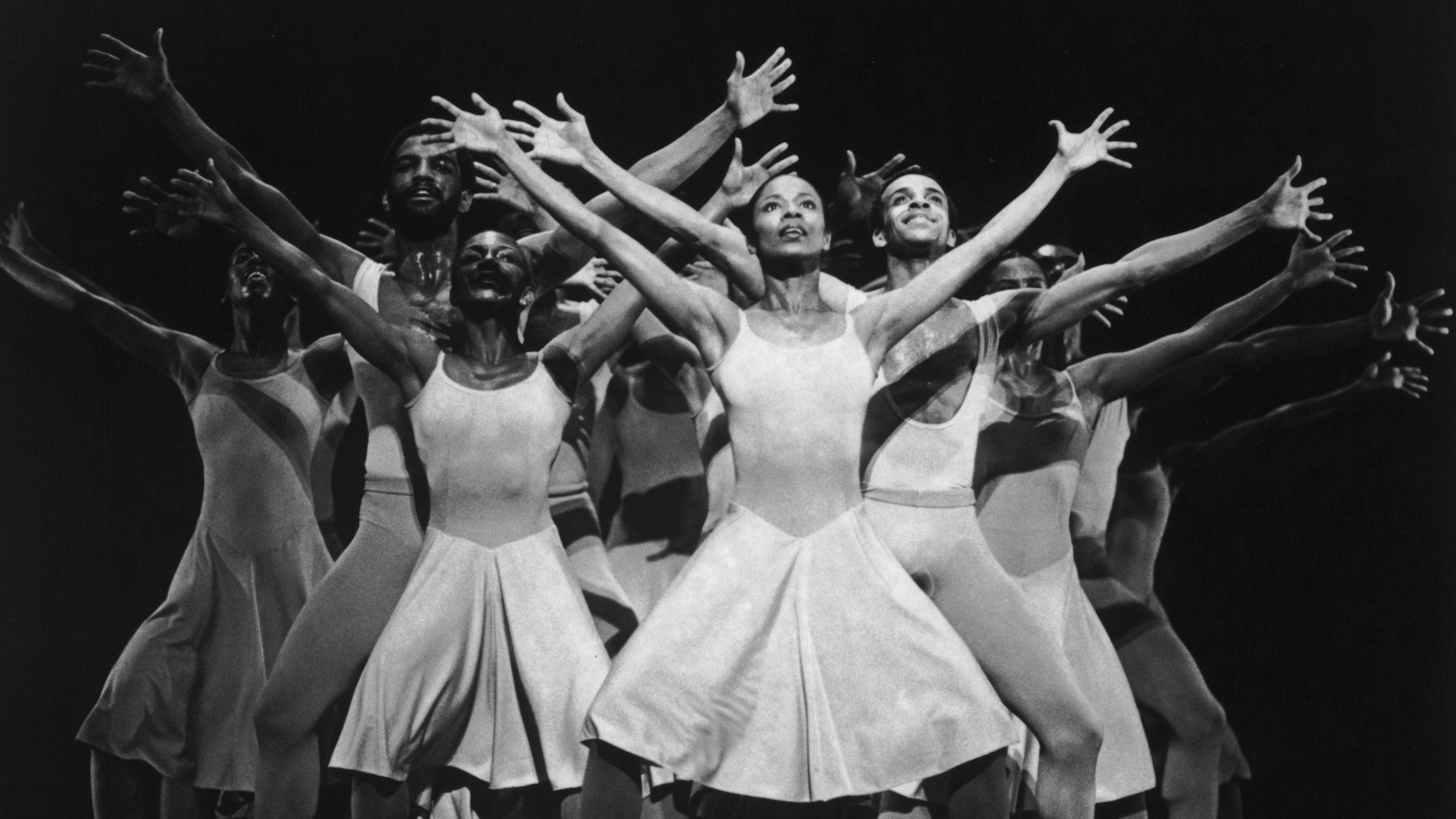
We keep patching the cracks in systems we know are broken, especially in creative industries. This isn't about resilience; it's about the emotional toll of propping up a world that's always one crisis away from collapse.
There’s a strange art to working in an industry that’s always on the verge of washing away. It feels a lot like building sandcastles at low tide. You get absorbed in the craft, of packing the sand, carving the details, feeling a flicker of pride as a turret takes shape. You know the tide is coming, but the act of creation feels so immediate and so important that you push the inevitable from your mind. For now, this is real.
For years, this has been the silent agreement. We operate with a kind of managed chaos, celebrating the adrenaline of opening night. The mantra is “the show must go on,” and we marvel at our ability to pull it off, time and again under the most grueling of expectations. But after the applause fades and the adrenaline subsides, you’re left looking at the same crumbling foundation, the same cracks you just frantically papered over. And you start to wonder if what you’re doing is building something beautiful, or simply getting really, really good at triage.
The pandemic didn't create the cracks; it just let the tide come all the way in for a moment. For the first time, everyone could see how precarious it all was. And now, as we rush to rebuild the same structures, the exhaustion feels different. It’s heavier, tinged with the knowledge that we’re not just fighting the next deadline, but a systemic gravity that keeps pulling us back under.
The Cult of a Clean Finish
In so many fields, we are judged almost exclusively on the final product. The audience sees the flawless performance, the client sees the polished deck, the public sees the seamless event. What they don't see and what we’re culturally conditioned to hide is the frantic, often brutal effort it took to get there. This obsession with a perfect finish creates a culture where acknowledging a systemic flaw feels like a personal failure.
The work becomes centered around a kind of hero complex, where we celebrate the person who pulls an all-nighter to fix a server or rebuild a prop that broke at the last minute. We rarely ask why the server was so vulnerable or why the prop was so fragile in the first place, because crisis becomes its own kind of validation—proof that we can handle the pressure.
We internalize the idea that personal sacrifice is just part of the process, a rite of passage disguised as “paying your dues” or having “grit.” This creates a damaging feedback loop where the people who are promoted are the ones who have best tolerated the dysfunction. They, in turn, look for the same tolerance in others, mistaking a high capacity for burnout as a sign of commitment.
There’s a collective amnesia that sets in the moment a project is complete. In the flush of success, all the near-disasters and human costs are reframed as “challenges we overcame.” This prevents any meaningful post-mortem on the process itself, because no one wants to sour the victory by admitting how close we came to catastrophe, and how certain we are to face it again next time.
The Weight of Invisible Scaffolding
As you spend more time inside these fragile systems, you realize that most of the real work isn’t on any job description. It’s the invisible scaffolding of emotional labor, foresight, and personal relationships that holds the entire structure up. This is the work that prevents things from breaking in the first place, and it is utterly exhausting because it goes almost completely unrecognized.
This work is the constant, draining effort of managing the anxieties of a team that knows it’s under-resourced, or translating between departments that don’t trust each other. It’s serving as the human buffer for systemic flaws, absorbing the friction so the project can keep moving. This emotional labor is why you go home feeling drained even on a “slow” day; you’ve been carrying the weight of the structure, not just your specific tasks.
Critical knowledge begins to live only in people, not in processes. When a system is unstable, the official handbook is useless; the real workarounds and solutions exist only in the heads of a few key individuals who know “how things actually get done.” This makes them indispensable but also traps them, and when they inevitably burn out and leave, they take the scaffolding with them, making the whole structure even more precarious for whoever is left.
We praise teams for being “resilient,” but what we’re often celebrating is their ability to absorb an unhealthy amount of chaos without complaining. True resilience shouldn't be about an individual's capacity to endure hardship. It should be the system's ability to function without demanding heroic, unsustainable sacrifices from the people within it.
Putting Down the Shovel
So what happens when you stop? When you refuse to be the hero, to patch the leak, to build another beautiful sandcastle you know is doomed? It feels like failure. It feels like letting everyone down. But maybe it is the most responsible, most constructive thing a person can do. Maybe the only way to get everyone to look at the tide is to stop pretending you can hold it back by yourself.
Saying “no” to an impossible task or an under-resourced project stops being an act of defiance and becomes an act of care for the work and for the people doing it. It forces a conversation that endless patching avoids—a conversation about what is actually feasible and what needs to change at a foundational level. It’s often the only feedback a broken system will ever hear.
We have to start redefining success, shifting the focus from a perfect outcome to a sustainable process. Imagine if we celebrated a humane workflow, transparent communication, and a well-rested team with the same energy we celebrate a flawless opening night. The final product might look different, but the people who made it would still be standing, ready and willing to make the next thing.
The goal can’t be to find more heroes who can withstand the tsunami; it has to be about building breakwaters so the sandcastles have a chance to last. This means investing in actual infrastructure: clear processes, fair fucking compensation, real safety nets, and documented knowledge. It’s the slow, unglamorous work of building a foundation, and it’s the only work that really matters.
Key Takeaways
The “show must go on” culture often normalizes crisis and masks deep systemic fragility.
Much of what we call professional “resilience” is actually just a high tolerance for dysfunction.
The most draining work is often the invisible emotional labor required to hold broken systems together.
Refusing to patch a broken system can be a profound act of care and the most constructive feedback you can give.
Real change requires shifting our focus from celebrating individual heroes to building collective, sustainable structures.