Emergency Preparedness Is Leadership: What Happens When You’re the Calm in the Chaos
Bryan Runion ·
Emergency Preparedness Is Leadership: What Happens When You’re the Calm in the Chaos. Leadership shows up when the plan fails and presence steadies the room.
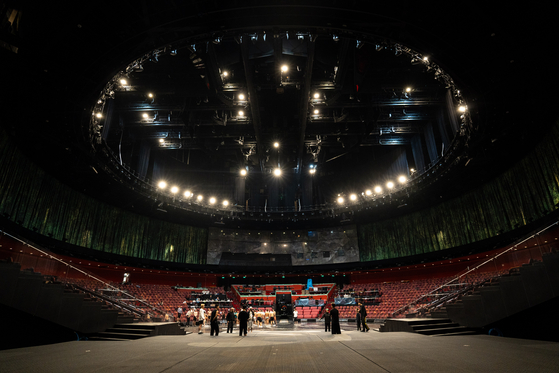
Emergency preparedness is leadership. You don’t know it until the moment comes, but when chaos hits—a fire alarm mid-show, a sudden evacuation, a crisis no one rehearsed for—the way you steady the room defines how people experience it. It was a Wednesday matinee. School groups, late buses, a tired crew. We were halfway through act one when the fire alarm went off.
Not a test. Not a drill. Just a blaring, unignorable reality cutting through the middle of an act midway through.
And in that moment, every eye—crew, cast, front of house—turned to the booth, the wings, the radios. To us. Production. Stage Management. The people who are supposed to know what to do when no one else does.
We talk a lot about planning in this job. Calendars, cue sheets, color-coded run-of-show documents. But here’s the truth: your real leadership shows up when the plan catches fire—sometimes literally.
Being prepared doesn’t mean you prevent chaos. It means you lead through it.
You Don’t Just Prepare a Show,You Prepare People
Emergency preparedness in stage management often gets reduced to paperwork—a fire safety form tucked in the back of a binder, or an evacuation route that no one reads until it's too late. But real preparedness is cultural. It starts in the rehearsal room, in the crew call, in every quiet moment before the doors open.
Because when something goes wrong, you won’t have time to explain the plan. You’ll need a team that already knows it.
Build muscle memory before the crisis. Review protocols with your crew and FOH teams, not just once, but regularly. Know who does what before you need them to do it.
Normalize talking about emergencies. Don’t let “what if” scenarios become taboo. Build them into your production meetings, safety talks, and even tech rehearsal downtime.
Identify your fireflies. Who in your cast or crew will shine under pressure? Who might freeze? Know this before showtime so you can quietly assign anchors when needed.
Use your paperwork as a conversation starter. Run sheets and cue books are helpful—but only if the people reading them understand why things are the way they are.
Train for transitions, not just outcomes. A crisis rarely ends neatly. Your team should know how to move from panic to procedure—and how to pivot back to performance when it’s over.
Preparedness isn't about paranoia. It's about trust. When you prepare your people, you earn the right to lead them.
Looking to rethink how you train your team for success? You might also enjoy The Micromanagement Myth, where we explore why hands-on leadership gets a bad rap—and how it can actually be a superpower.
Calm Is Contagious and So Is Panic
You’ve set your team up for success. They know the plan. But then something happens, and it’s not just about logistics anymore. It’s emotional. It’s physical. It’s messy.
In these moments, your greatest asset isn’t your clipboard—it’s your presence.
The room is watching you. And whether you realize it or not, they’re mirroring your nervous system. That’s why emotional regulation is an essential leadership skill in live events.
Your energy sets the tone. A calm demeanor doesn’t mean you're not acting fast—it means you’re creating space for others to follow your lead.
Clarity beats speed. Speak slowly and directly on comms. It’s better to repeat yourself clearly than to shout something no one understands.
Be predictable. In chaos, people crave routine. If your crew knows how you speak, move, and lead under pressure, they’ll mirror that steadiness.
Model accountability, not blame. If something goes wrong, stay solution-focused. You can debrief later—right now, your team needs direction, not guilt.
Never underestimate the power of eye contact. In moments when the headset fails or the audience is watching, a single grounded look from you can carry an entire room.
Your calm is not a performance. It’s a gift. When you regulate yourself, you help regulate everyone else.
Need help staying grounded under pressure? Revisit our reflection on service, orchestration, and translation, the three leadership pillars that guide my approach to being a Stage Manager.
Rehearse the Unrehearsable for Emergency Preparedness is Leadership
Once the adrenaline subsides and the house lights return, the real work begins: reflection, adjustment, feedback from your crew, stage management team, and other teams, and doing it all better next time.
Too often we treat emergencies like lightning strikes—rare, unpredictable, and outside our control. But in production, the unpredictable is predictable. It’s not a matter of if something goes sideways. It’s a matter of when.
So we rehearse. Not just the show, but the response.
Use table reads for disaster scenarios. Just like you’d walk a new scene, walk your emergency plan. Who exits where? Who checks what? What’s the first call on radio?
Debrief after the adrenaline. Every close call is a learning moment. Take 15 minutes post-show to talk about what went well, what didn’t, and what to do next time.
Treat drills like performance. Don’t blow through a fire drill because it’s “not real.” You perform how you practice—and your team is watching.
Create “Plan C” thinking. Not every problem has a binary fix. The best leaders know how to assess risk on the fly and choose the most human-centered solution. For structured guidance, see the Occupational Safety and Health Administration’s (OSHA) Emergency Preparedness standards
Remember that recovery is part of the response. Emergencies are exhausting. Once the danger passes, lead your team through the emotional cooldown too.
Practicing for a crisis doesn’t invite disaster. It reminds us we are capable of navigating it.
The Weight and Gift of Being Ready
Leadership in live events doesn’t always look like a spotlight. Sometimes, it looks like a flashlight in the dark hallway behind the theatre.
Emergency preparedness isn’t about fear—it’s about service. About knowing that when the worst happens, you get to be the calm in the chaos. You get to be the one who steadies the room.
And that? That’s the show worth leading.
📌 Want more insights on staying steady under pressure? Subscribe to Half-Hour for weekly reflections on backstage leadership, real-world crisis management, and the human side of production. Join here.