How to Safely Stop the Show: A Look At Assessing Risk Before It Happens
Bryan Runion ·
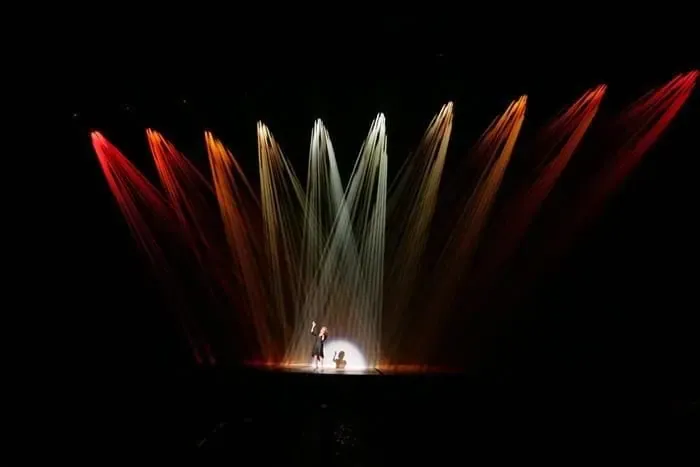
Assessing risk is the first step in knowing how to safely stop the show. Stage managers can prepare for emergencies with clear safety plans.
When things don’t go according to plan, assessing risk is the first step in knowing how to safely stop the show. Emergencies, injuries, and technical failures can happen at any moment, but proactive planning gives stage managers the confidence to act quickly and the tools to protect their people.
If you’d like to see the full framework—including standard operating procedures and communication strategies—read the pillar guide: How to Safely Stop the Show: A Complete Guide for Stage Managers.
Why Assessing Risk Matters
Emergencies aren’t rare in live performance. From performer injuries to automation errors to severe weather, the unexpected can bring a show to a halt. Risk assessment allows stage managers to:
Anticipate emergencies. Map out what might happen—from minor first aid to catastrophic failures.
Protect people first. Safety takes precedence over continuity of performance.
Respond with clarity. Pre-planned actions reduce hesitation and panic when stress is high.
Risk assessment isn’t about predicting the future, it’s about being ready when the unexpected arrives.
Core Steps in Risk Assessment
Assess exits and pathways. Make sure emergency exits are visible, fire extinguishers are accessible, and emergency services know where to enter the building. For additional guidance, OSHA’s Theatre Safety Guidelines outline best practices for hazard prevention in performance spaces.
Locate emergency resources. Know where fire extinguishers, first-aid kits, and defibrillators are—and ensure they’re up to date.
Plan for emergency services. Identify where responders will enter, how they’ll access the space, and who briefs them when they arrive.
Build scenario lists. Anticipate small and large emergencies, from a performer injury to a severe storm. Create protocols for each.
Discuss external events. Weather and outside threats—from tornadoes to active shooters—should be addressed in your planning sessions.
For a deeper look at developing operating procedures around these risks, see How to Safely Stop the Show: Establishing Standard Practices for Emergency Scenarios and Technical Errors.
Preparing for Technical and Emergency Scenarios
Some emergencies—automation errors, rigging failures, acrobatics accidents—require immediate action. Preparing your team for these scenarios ensures everyone knows their role.
Detail departmental roles. Clarify what each crew member does when a show stop occurs.
Write down the plan. Share the document with the full team so they can reference it anytime.
Rehearse emergencies. Practice mock scenarios in low-stakes settings to strengthen response.
Encourage collaboration. Remind the team they don’t need to solve crises alone—asking for help is part of safety.
Curious how communication shapes these moments? Read How to Safely Stop the Show: The Importance of Clear Communication and Cooperation.
Preventing Further Harm During Emergencies
Stopping the show addresses the immediate emergency, but stage managers must also protect against secondary risks.
Control the environment. Clear performers from an injured artist or evacuate the audience if needed.
Document lessons. After each incident, record what happened, what worked, and what needs to change.
Adapt practices. Outdated or ineffective responses should be revised in light of new experiences.
Leadership means staying open to new perspectives and continuously improving your safety culture.
Key Takeaways
Risk assessment is the foundation of stopping a show safely.
Proactive planning protects people and reduces confusion.
Department-specific roles and rehearsed scenarios prepare the team for action.
Preventing secondary harm is just as important as addressing the initial emergency.
Learning from each incident makes the next response stronger.
ConclusionRisk assessment is the backstage work that makes safe show stops possible. By identifying risks early, building clear protocols, and rehearsing as a team, stage managers create the conditions for calm, decisive action when it matters most.
To see how risk assessment fits into the larger picture of show stop leadership, read the full guide: How to Safely Stop the Show: A Complete Guide for Stage Managers.
📌 Want to keep growing in your leadership practice? Subscribe to Half-Hour for real stories, practical strategies, and reflections that help you lead with clarity