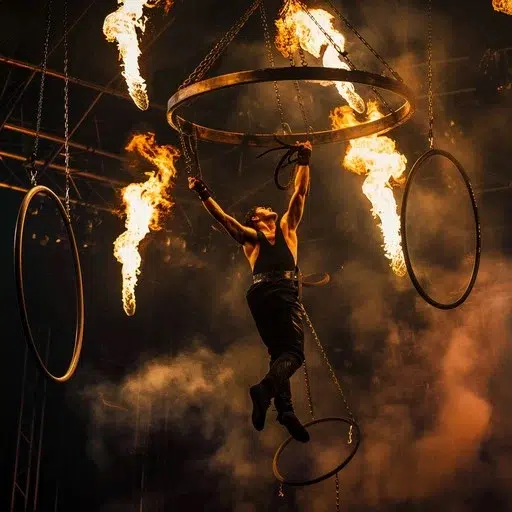
When most people think of theatre, they think of what’s visible. The actors, the lights, the music that swells at the right moment. But backstage, there’s a different kind of leadership, one that isn’t designed to be noticed. This is servant leadership. It’s less about control and more about care, less about visibility and more about presence. The people who practice it aren’t the stars, but they are the reason the show holds together.
Presence without spotlight
Stage management is often described as “keeping the trains running.” But it’s not mechanical. It’s human. A stage manager’s presence changes the temperature of a room. They don’t just track props and calls, they model steadiness when everything else feels shaky.
- Presence is not about being the loudest voice in the room. It’s about engaging fully, even when the work is uncomfortable or the silence feels heavy.
- Leadership in this role is measured in how calm and clarity spread through a team, not in the applause at the end of the night.
- Servant leadership in stage management begins with this kind of presence — a steady posture that signals, “You can trust me, we’re okay.”
What looks invisible from the outside is deeply felt on the inside. The show doesn’t need another spotlight. It needs someone holding the space where the work actually happens.
A lineage of service
The role didn’t start with a headset and a prompt book. It’s been evolving for centuries, always as a form of service. Sophocles wasn’t only a writer; he was staging, directing, holding the pieces together. Medieval productions had the “conducteur de secrets,” and Elizabethan theatres relied on bookkeepers who tracked lines, entrances, and props. The job was never about recognition.
- These early figures weren’t performers in the spotlight, they were guardians of the story, making sure the threads held.
- The modern stage manager, steady voice on comms, is just the most recent chapter in a long history of backstage caretakers.
- Servant leadership in stage management has always been there, even when the title wasn’t.
Looking back shows us that what lasts isn’t the tools or the titles, but the posture of service. That’s the part that hasn’t changed.
The practice of servant leadership
It’s tempting to reduce the role to logistics: clipboards, checklists, calling cues on time. But the heart of stage management isn’t paperwork. It’s practice. Every choice you make either builds trust or erodes it. The clipboard is just a prop for something deeper.
- Hard skills like scheduling and prompt books keep order. But without empathy and trust, order alone won’t hold a team together for long.
- Anticipating needs is one of the most powerful ways to lead. Solving problems before they surface keeps the work moving and makes people feel safe. Leadership experts have long argued that this “others-first” mindset is the foundation of servant leadership, a model explored widely outside theatre as well see this piece from Harvard Business Review
- Calm under pressure isn’t an act. It’s a standard. The way you show up in crisis becomes the model for how everyone else responds.
Servant leadership in stage management is less about directing others and more about clearing the way for them to do their best work.
💡 Related Read: It’s one thing to show up, it’s another to shape the room. Servant leadership isn’t just being present, it’s adding presence that changes the temperature of the team. If you want to explore how that shift looks in real terms, read our piece on Participation vs Contribution.
Fault lines in the work
From the outside, the job looks clean: the show runs on time, the cues land, the team works together. Inside, every stage manager knows the role is full of fault lines. They aren’t mistakes — they’re the tensions that come with the territory.
- Control and trust: It’s easy to take on everything yourself. But that road leads to burnout. Delegation isn’t only efficiency, it’s trust. Handing something off says, “I believe you can carry this,” and that belief changes how people show up.
- Service and authority: If you bend too far toward keeping everyone happy, you lose clarity. If you grip too hard to authority, you lose collaboration. Servant leadership in stage management is holding steady in the middle, clear without being cold.
- Vision and burnout: It’s good to carry the big picture, but not if it comes at the cost of your own health. Leadership that drains the leader until nothing’s left isn’t sustainable. A show that depends on your exhaustion isn’t a success.
These fault lines are where the work really gets tested. The practice isn’t in avoiding the cracks, it’s in learning how to walk them with steadiness.
What tomorrow demands
Theatre is shifting. Technology is shaping backstage life in ways that would have been unimaginable a generation ago. Shared digital boards, AI scheduling tools, even virtual rehearsals are becoming normal. But none of it changes the fact that leadership is about people, not platforms.
- New tools are useful, but servant leadership in stage management will always be measured by empathy. Tech can schedule a call, but it can’t resolve a conflict.
- Sustainability is no longer optional. Stage managers will play a key role in holding practices that make productions greener and more humane.
- Inclusion and access are becoming the baseline. From captioning glasses to equitable casting processes, stage managers will often be the ones ensuring those values reach the stage.
Adaptability is the throughline. It’s not about chasing every new thing, but about staying rooted while adjusting to what the moment demands.
Why servant leadership in stage management endures
At the end of the day, the best measure of leadership isn’t what happens when you’re in the room. It’s what holds when you’re not. A stage manager’s influence isn’t in how many calls they get right. It’s in whether the team keeps functioning even when they step away.
- A system that still runs in your absence is proof you’ve built trust instead of dependency.
- Servant leaders don’t hoard control. They leave behind clarity and calm that outlasts them.
- Quiet influence isn’t less influence. It’s the kind that lingers.
This is why servant leadership in stage management has always mattered. It’s not about perfection or recognition. It’s about presence, courage, and care, practiced consistently. The work is quiet, but it’s the reason the show holds.
Key takeaways
- Servant leadership in stage management is the thread that has carried the role from the past into the present.
- Presence matters more than polish.
- Trust is built in the cracks, not in the spotlight.
- Technology will keep shifting the tools, but not the practice of service.
- The quietest influence is often the strongest.
Stage management has never been about applause. It’s about the invisible threads that make applause possible. Servant leadership in stage management is a daily practice of showing up with presence, trust, and care. That’s what makes the magic hold.
📌 Want to keep growing in your leadership practice? Join the Half-Hour Newsletter for real stories, practical strategies, and reflections that help you lead with clarity