The Unspoken Conversation Between Stage and World
Bryan Runion ·
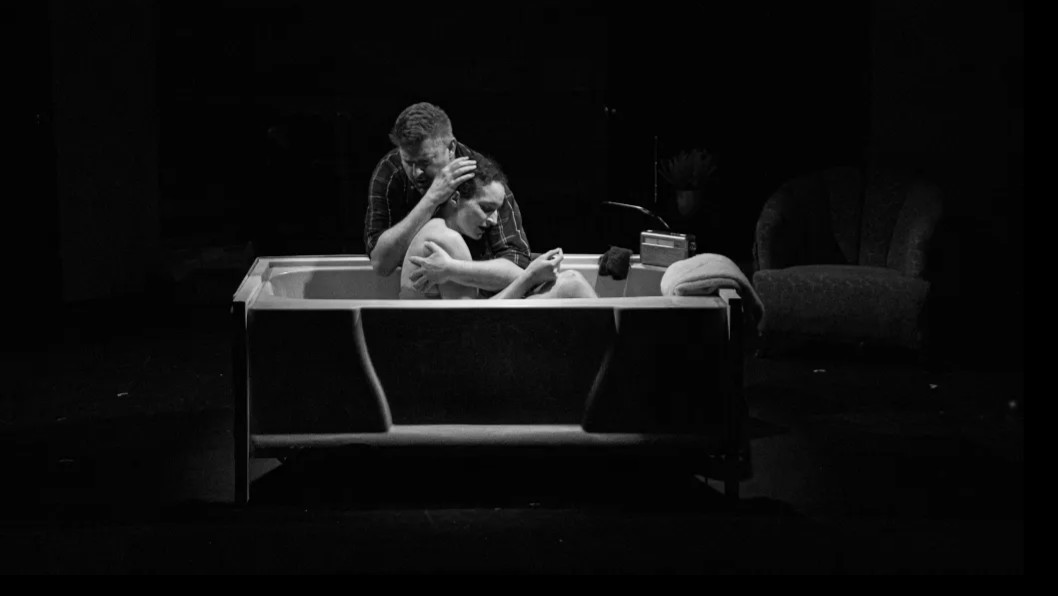
Theatre isn’t just a reflection of our world; it's a living dialogue about its deepest anxieties. It's the space where we process what's happening outside, often before we have the language for it ourselves.
When the Stage Becomes the Mirror
I remember sitting in a darkened theatre a few years ago, watching a play about a family splintering under the weight of an unnamed ecological catastrophe. Outside the theater, the world felt similarly shaky—fires on the news, floods in places they shouldn't be, a low-grade hum of anxiety in the air. But inside, something else was happening. It wasn’t escapism. It was the opposite. It was a focused, almost sacred act of looking directly at the thing we all felt but rarely named.
We talk about theatre as a mirror to society, but that feels too passive. A mirror just shows you what’s already there. What I felt in that room, and what I’ve felt so many times since, is more like a conversation. It’s a space where the unspoken worries of the world are given a name, a body, and a story. The stage doesn't just reflect our reality; it actively processes it, grappling with the tensions we haven’t yet found the words for in our own lives.
It’s the invisible work of a culture: taking the chaos and strain of the present moment and trying to make sense of it, one story at a time.
The Room Where It Happens First
Long before an audience feels the resonance of a performance, the anxieties of the world have already permeated the creative process. A rehearsal room isn’t a sterile bubble; it’s a barometer. The questions that are consuming us as a society—about technology, justice, our climate, our future—don’t get checked at the door. They become the raw material for the work itself, shaping the conversations, the choices, and the very texture of the play being built.
The choice of what story to tell is itself a form of cultural diagnosis. A theatre season isn't just a random collection of plays; it’s a statement about what questions are urgent right now. When theaters across the country start staging plays about artificial intelligence or community fragmentation, it’s not a coincidence—it’s a sign that these are the threads our creative leaders are pulling, trying to untangle something they feel in the collective consciousness.
The most important work often happens in the margins of the script, in the questions asked by a designer or actor. How do you light a world that has lost its sun? What does a person’s body language look like when they have no faith in the future? These aren’t just technical problems to be solved; they are deep, philosophical inquiries where the cast and creative team are processing the play’s themes on a personal, human level.
An actor’s performance becomes a conduit for a present-day feeling, not just an interpretation of a past text. When an actor channels their own grief about a changing planet or their frustration with a broken system into a character, the performance gains a weight and an authenticity that is impossible to fake. The lines may have been written a century ago, but the emotion powering them is happening, viscerally, right now.
The Collective Inhale
When the house lights go down, the focus shifts from the creators to the room itself. An audience isn't a collection of passive individuals; it’s a temporary community, a single organism breathing together in the dark. That shared energy is where the final piece of the work is forged. The silence in a theatre is never empty. It’s filled with attention, with memory, with the collective processing of what’s unfolding on stage. We aren’t just watching; we are participating in an act of shared sense-making.
There’s a specific quality of silence in a theatre when a play touches a raw, collective nerve. It’s not just quiet; it’s a dense, charged atmosphere, the sound of hundreds of people realizing the same difficult truth at once. This collective inhale is a form of acknowledgment, a shared moment of saying, “Yes, this. This is true,” without a single word being spoken.
A powerful play provides a shared vocabulary for experiences that were previously isolating or abstract. You walk out of a play about gentrification or digital loneliness, and suddenly you and the friend you went with have a new set of images and metaphors to discuss something that, an hour before, felt too big or too nebulous to grab onto. The story gives the problem a handle.
The way a performance lands—or doesn’t—is its own form of data about our society. A joke that gets a huge laugh in New York but is met with crickets in Omaha tells you something about regional anxieties. The moments that make one audience uncomfortable might be the very moments that make another feel seen, revealing the fault lines and pressures shaping different communities.
When the Reflection Stays With You
The curtain call isn’t the end. It’s the handoff. The most vital theatre doesn’t just show you something; it changes the way you see everything else. You walk out of the darkened room and back into the bright, messy world, but you’re carrying a piece of the play with you. It becomes a new lens, a new filter, a quiet hum beneath the surface of your own life. The conversation that started on the stage continues inside you.
A single image or line from a play can become a mental touchstone you return to again and again. That image can reframe how you read a news headline or listen to a political speech, giving you a deeper emotional context for the abstract information you’re constantly fed. It’s not just information; it’s meaning.
The best theatre doesn't offer neat answers or tidy solutions; it equips us with better questions. You don’t leave a great play about climate change with a ten-point plan, but you might leave with a profoundly altered sense of what is at stake. It moves the problem from the head to the heart, which is often where real change begins.
The impact of this work is cumulative and often invisible, working on us slowly over time. It’s not about one play sparking a revolution overnight, but about the steady, quiet work of thousands of stories, gradually expanding our capacity for empathy and deepening our understanding of the human condition in a world that constantly begs for our attention but rarely our reflection.
Key Takeaways
Theatre is not an escape from reality but a dedicated space to process it with intention, giving form to our collective anxieties.
The creative process itself, from play selection to rehearsal, is often where societal tensions are first articulated and explored by a culture.
A live audience is not a group of passive spectators but an active participant, and its shared reactions are a form of collective sense-making.
The most powerful theatrical experiences don’t provide answers; they equip us with better questions and a new emotional vocabulary for complex problems.
The impact of this work is often slow and subtle, quietly reshaping how we see and interact with the world long after the performance ends.