Career Paths in Live Entertainment
Bryan Runion ·
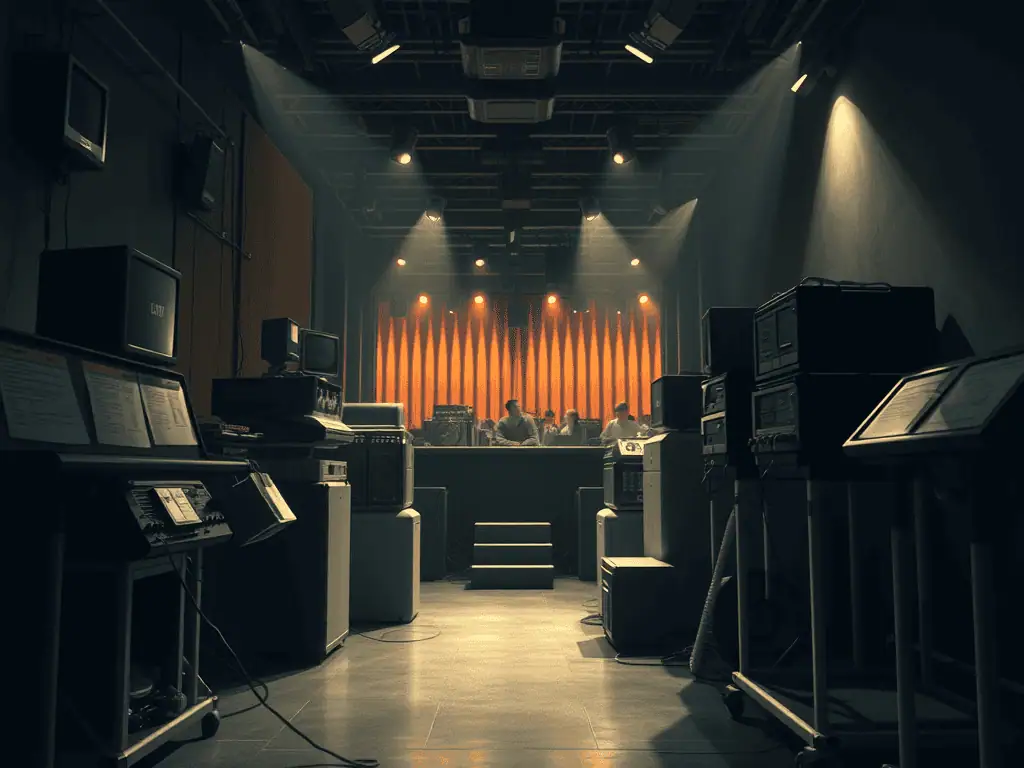
Exploring career paths in live entertainment means understanding the moving parts that keep the industry running. From stage management and technical direction to front-of-house, shop work, and producing, this guide breaks down the responsibilities, pros, and challenges of each role — giving you a realistic map to navigate your next move.
When it comes to career paths, ask ten people in live entertainment what they do for a living and you’ll get ten completely different answers, and probably a few you didn’t even know existed. From the outside, the industry looks like one big stage, but behind the curtain, it’s an ecosystem of specialized roles that keep the show alive U.S. Bureau of Labor Statistics – Arts, Design, Entertainment, Sports, and Media Occupations.
This guide is a map, not of every job you could possibly have, but of the major lanes you might travel, how they intersect, and the realities you should know before you commit to one. Whether you’re a student trying to break in or a seasoned professional curious about your next pivot, understanding how these moving parts fit together can help you make more intentional choices when looking at potential career paths in live entertainment.
This is part of the Building a Career The Long Term Playbook. Read the full guide for long-term strategies, networking advice, and sustainability practices that keep you in the game.
Stage and Production Management Career PathsTechnical Direction and Production TechnologyFront-of-House and Guest ExperienceProduction Shops and FabricationProducing and Executive RolesFinal Thoughts
Stage and Production Management Career Paths
Stage and production managers are the conductors of the backstage orchestra. They make sure every moving piece — people, scenery, cues, and timing — comes together exactly when and how it should.
Core Responsibilities:
Pre-production coordination. Scheduling, advancing, and prepping documentation before the first rehearsal or load-in.
Cue calling and show calling. Executing the performance in real time, often with split-second decisions under pressure.
Team leadership. Managing crews, performers, and sometimes entire departments to keep everyone aligned.
Problem-solving. Navigating unexpected changes without derailing the show.
Pros: Highly transferable skills, strong leadership development, close proximity to creative decision-making.Cons: Long hours, high stress, and the pressure of being the central point of accountability.
Technical Direction and Production Technology
Technical directors and department heads (lighting, audio, video, automation) are responsible for making the design and creative vision physically possible — safely, efficiently, and within budget.
Core Responsibilities:
Design translation. Turning creative ideas into buildable, installable plans.
Resource management. Overseeing labor, materials, and technical budgets.
Safety oversight. Ensuring all builds, rigs, and effects meet safety standards.
Innovation. Incorporating new tech and methods into production.
Pros: High demand across sectors, hands-on problem-solving, opportunities for specialization.Cons: Physically demanding work, liability risks, and constant pressure to innovate with limited resources.
Front-of-House and Guest Experience
Front-of-house managers and teams are the face of the venue for audiences. They ensure guests have a safe, enjoyable, and seamless experience from the moment they walk in the door.
Core Responsibilities:
Staff management. Ushers, box office teams, concessions, and security.
Audience flow. Crowd control, seating, accessibility, and emergency procedures.
Customer service. Handling guest concerns with professionalism and tact.
Pros: Immediate audience connection, leadership opportunities, transferable to hospitality sectors.Cons: Often overlooked by other departments, requires patience and conflict resolution skills.
Production Shops and Fabrication
Shop foremen, carpenters, welders, and costume makers are the builders of the industry. They turn designs into tangible, functional pieces — often under tight deadlines.
Core Responsibilities:
Fabrication. Constructing scenery, props, costumes, or specialty effects.
Maintenance. Repairing and adapting gear for long-term use.
Collaboration. Working closely with designers and technical directors.
Pros: Highly creative and tactile work, sense of craftsmanship and ownership.Cons: Physical wear-and-tear, limited recognition outside the shop, seasonal or project-based employment.
Producing and Executive Roles
Producers, executive producers, and general managers handle the business and strategic side of live entertainment. They are responsible for funding, contracts, partnerships, and overall project viability.
Core Responsibilities:
Budgeting and financing. Securing funding and managing how it’s spent.
Contract negotiation. Agreements with artists, venues, vendors, and unions.
Vision alignment. Keeping the production aligned with the creative and business goals.
Pros: High-level influence, potential for significant financial reward.Cons: High risk, constant pressure to deliver results, heavy responsibility for both creative and financial outcomes.
Final Thoughts
The live entertainment industry isn’t a straight career ladder; it’s a web. Skills in one lane often apply in another, and many professionals shift between roles over time. The more you understand the moving parts, the better you can navigate toward the work that fits your skills, values, and lifestyle.